null

CANADA: Free Shipping to Canadian Provinces on Orders Over $199 (Promotional Products Excluded).
USA: Our Shipping Cost to USA Includes The Tariffs so there won't be any surprise fees when delivered.

Leather Dyes, Polishes, Oils

Leather Dyes, Polishes, Oils

Leather Dyes, Polishes, Oils & Finishing Supplies in Canada

Finding reliable leather dyes, conditioners, and finishes in Canada can be a challenge—especially when cross-border shipping restrictions on flammable liquids lead to unexpected delays or hazardous-material surcharges. At Leathersmith Designs in Dartmouth, Nova Scotia, we make it easy for Canadian leather crafters, saddle makers, and hobbyists to get professional-grade finishing supplies shipped straight to their workshop.
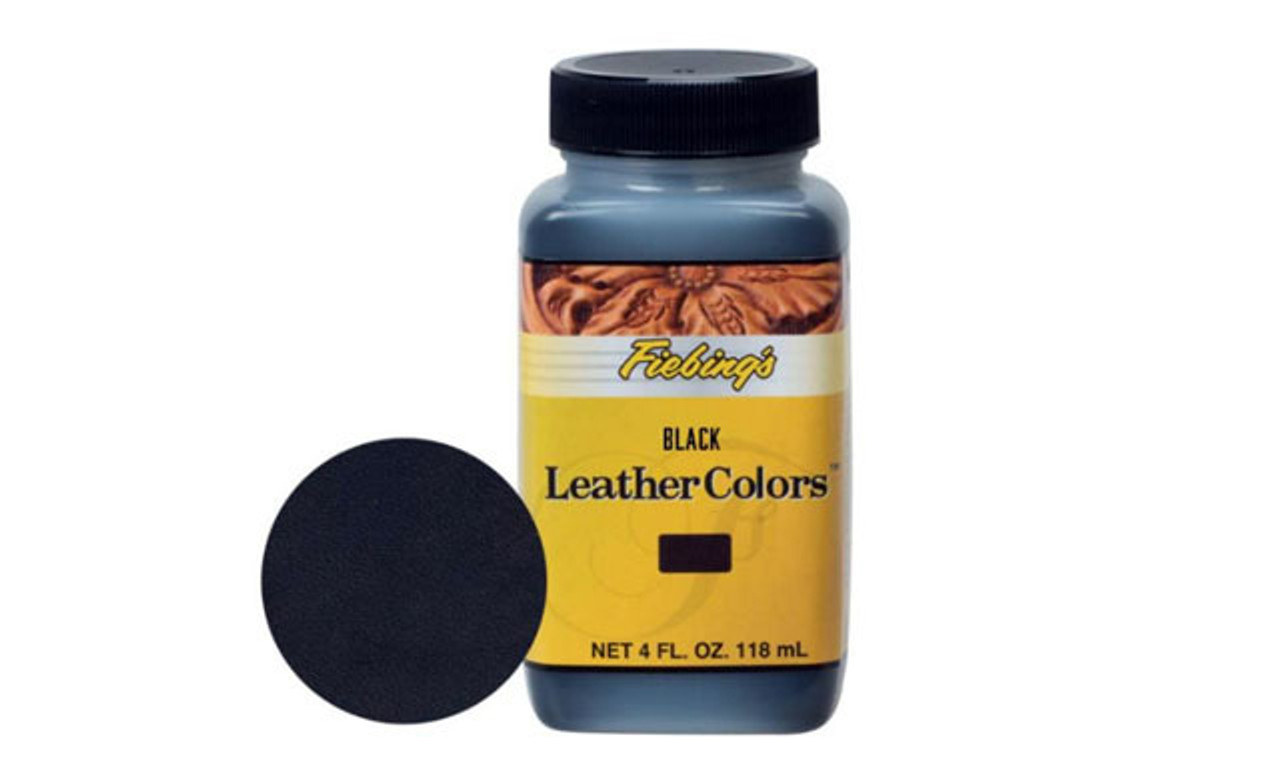
We exclusively stock non-flammable, water-based, and acrylic leather dyes and paints—including Eco-Flo Leather Dye, Fiebing’s LeatherColors, and Angelus Acrylic Leather Paint—meaning your order ships smoothly across all Canadian provinces with no hazardous shipping headaches. Plus, Canadian orders over $199 qualify for free shipping.


Choosing the Right Leather Finishing Products

Whether you are crafting custom belts, wallets, guitar straps, or holsters, every vegetable-tanned project relies on a solid four-step finishing process: colouring, conditioning, sealing, and edge finishing.

  • Water-Based & Penetrating Dyes: Designed specifically for natural, undyed vegetable-tanned (tooling) leather. Use Eco-Flo or Fiebing’s LeatherColors for deep, even colour penetration, or highlight stamped and carved details with Angelus Acrylic Leather Paint (including metallic finishes).

  • Leather Conditioners & Oils: Dyeing can draw moisture out of raw hides. Replenish suppleness and prevent cracking with Sheps 100% Pure Neatsfoot Oil or Dr. Jackson’s Neatsfoot Oil Compound.

  • Topcoats & Polishes: Lock in your colour and protect against moisture and daily wear. Choose Fiebing’s Acrylic Resolene for a durable, water-resistant satin-to-gloss shine with no buffing required, or Fiebing’s Leather Balm with Atom Wax for a classic, hand-buffed wax finish.

  • Edge Finishes: Give belts and straps a clean, professional border using Fiebing’s Edge Kote or traditional Beeswax for burnishing.

  • Canadian Weather Care & Cleaners: Keep finished outdoor gear protected through harsh Canadian winters with paste Dubbin water repellent, and tackle winter slush marks with dedicated Salt Stain Remover.

Step-by-Step: How to Dye and Finish Vegetable-Tanned Leather

At our own custom leather shop, we complete all dyeing, oiling, and polishing before assembling the project. Follow our shop-tested workflow for consistent results:

  1. Prep Your Workspace: Always work on natural, undyed vegetable-tanned leather (these dyes are not meant for re-dyeing pre-finished chrome-tanned goods). Wear vinyl or latex gloves and shop clothes, as penetrating dye will stain skin and fabric permanently.

  2. Apply the Dye: Dampen a wool dauber, 1" polyfoam brush, or a flannel-wrapped wooden block with dye. For long straps like belts, wipe smoothly down the length of the leather. For larger panels, apply in overlapping circular motions to prevent streaks. Apply to the top grain side only, adding light coats until you reach your desired shade.

  3. Condition with Neatsfoot Oil: Let the dye dry for at least one hour, then apply a light coat of Neatsfoot Oil using a foam brush or soft cloth. Tip: Keep oil off any areas you plan to glue later, as oil prevents contact cement from bonding properly. Keep in mind that neatsfoot oil will slightly darken your dye colour.

  4. Seal and Polish: Allow the oil to absorb for an hour. Apply one to two thin coats of Fiebing’s Resolene (allowing it to dry between coats) for a bright, maintenance-free finish, or apply Fiebing’s Leather Balm with Atom Wax, let it dry to a haze, and buff briskly with a soft cloth.
  5. Finish the Edges: Coat raw edges with Fiebing’s Edge Kote using a dauber or foam brush. For a traditional glass-smooth edge, dye the edge, dampen it lightly with water, and burnish briskly in one direction using Beeswax and a piece of heavy canvas, denim, or waxed paper.


Shop Leather Finishing Supplies with Confidence

From 1/2" and 1" wool daubers and silver leather marking pens to quart and gallon sizes of Neatsfoot Oil and Resolene for high-volume workshops, we stock the everyday essentials Canadian leatherworkers rely on. Browse our complete selection above or contact our Dartmouth shop at 1-800-845-1829 if you need help choosing the right finish for your next project.

Read more...

More About Our Leather Dyes, Polishes, Oils

Leather Dyes, Polishes, Oils & Finishing Supplies in Canada

Finding reliable leather dyes, conditioners, and finishes in Canada can be a challenge—especially when cross-border shipping restrictions on flammable liquids lead to unexpected delays or hazardous-material surcharges. At Leathersmith Designs in Dartmouth, Nova Scotia, we make it easy for Canadian leather crafters, saddle makers, and hobbyists to get professional-grade finishing supplies shipped straight to their workshop.
We exclusively stock non-flammable, water-based, and acrylic leather dyes and paints—including Eco-Flo Leather Dye, Fiebing’s LeatherColors, and Angelus Acrylic Leather Paint—meaning your order ships smoothly across all Canadian provinces with no hazardous shipping headaches. Plus, Canadian orders over $199 qualify for free shipping.


Choosing the Right Leather Finishing Products

Whether you are crafting custom belts, wallets, guitar straps, or holsters, every vegetable-tanned project relies on a solid four-step finishing process: colouring, conditioning, sealing, and edge finishing.

  • Water-Based & Penetrating Dyes: Designed specifically for natural, undyed vegetable-tanned (tooling) leather. Use Eco-Flo or Fiebing’s LeatherColors for deep, even colour penetration, or highlight stamped and carved details with Angelus Acrylic Leather Paint (including metallic finishes).

  • Leather Conditioners & Oils: Dyeing can draw moisture out of raw hides. Replenish suppleness and prevent cracking with Sheps 100% Pure Neatsfoot Oil or Dr. Jackson’s Neatsfoot Oil Compound.

  • Topcoats & Polishes: Lock in your colour and protect against moisture and daily wear. Choose Fiebing’s Acrylic Resolene for a durable, water-resistant satin-to-gloss shine with no buffing required, or Fiebing’s Leather Balm with Atom Wax for a classic, hand-buffed wax finish.

  • Edge Finishes: Give belts and straps a clean, professional border using Fiebing’s Edge Kote or traditional Beeswax for burnishing.

  • Canadian Weather Care & Cleaners: Keep finished outdoor gear protected through harsh Canadian winters with paste Dubbin water repellent, and tackle winter slush marks with dedicated Salt Stain Remover.

Step-by-Step: How to Dye and Finish Vegetable-Tanned Leather

At our own custom leather shop, we complete all dyeing, oiling, and polishing before assembling the project. Follow our shop-tested workflow for consistent results:

  1. Prep Your Workspace: Always work on natural, undyed vegetable-tanned leather (these dyes are not meant for re-dyeing pre-finished chrome-tanned goods). Wear vinyl or latex gloves and shop clothes, as penetrating dye will stain skin and fabric permanently.

  2. Apply the Dye: Dampen a wool dauber, 1" polyfoam brush, or a flannel-wrapped wooden block with dye. For long straps like belts, wipe smoothly down the length of the leather. For larger panels, apply in overlapping circular motions to prevent streaks. Apply to the top grain side only, adding light coats until you reach your desired shade.

  3. Condition with Neatsfoot Oil: Let the dye dry for at least one hour, then apply a light coat of Neatsfoot Oil using a foam brush or soft cloth. Tip: Keep oil off any areas you plan to glue later, as oil prevents contact cement from bonding properly. Keep in mind that neatsfoot oil will slightly darken your dye colour.

  4. Seal and Polish: Allow the oil to absorb for an hour. Apply one to two thin coats of Fiebing’s Resolene (allowing it to dry between coats) for a bright, maintenance-free finish, or apply Fiebing’s Leather Balm with Atom Wax, let it dry to a haze, and buff briskly with a soft cloth.
  5. Finish the Edges: Coat raw edges with Fiebing’s Edge Kote using a dauber or foam brush. For a traditional glass-smooth edge, dye the edge, dampen it lightly with water, and burnish briskly in one direction using Beeswax and a piece of heavy canvas, denim, or waxed paper.


Shop Leather Finishing Supplies with Confidence

From 1/2" and 1" wool daubers and silver leather marking pens to quart and gallon sizes of Neatsfoot Oil and Resolene for high-volume workshops, we stock the everyday essentials Canadian leatherworkers rely on. Browse our complete selection above or contact our Dartmouth shop at 1-800-845-1829 if you need help choosing the right finish for your next project.